

Roundtable Japan-ASEAN: Aligning priorities in a shifting Indo-Pacific

    Growing uncertainty and intensifying geopolitical rivalry has thrown the international order into a period of interregnum, prompting realignments in the Indo-Pacific. Strategic competition, fractured multilateralism and shifting economic linkages have placed pressure on the rules and institutions that have long underpinned regional stability. As the region navigates these transitions, the future of an open and inclusive Indo-Pacific hangs in the balance.

    This roundtable explores how Japan’s Free and Open Indo-Pacific (FOIP) and ASEAN’s Outlook on the Indo-Pacific (AOIP) can be brought into closer alignment to address emerging risks and reinforce shared priorities. With Malaysia as ASEAN Chair in 2025, the forum also reflects on ASEAN’s strategic direction and Japan’s role as a trusted and proactive dialogue partner.

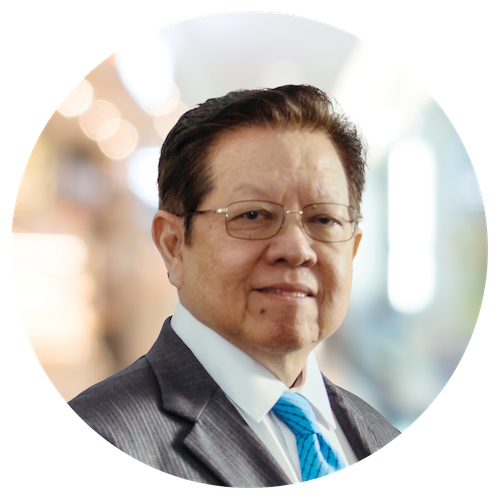
    Datuk Prof Dr Mohd Faiz Abdullah
    Chairman of ISIS Malaysia

    HE Noriyuki Shikata
    Ambassador of Japan to Malaysia
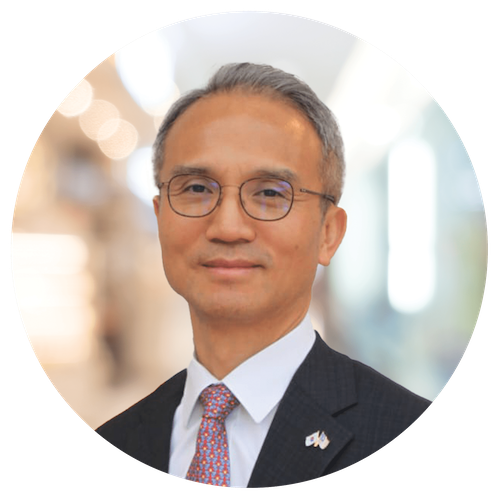

    HE Amb Yeo Seung-bae


    Datuk Prof Dr Mohd Faiz Abdullah

    Malaysia’s international relations have always centered on economic engagements. Announced at the 2019 ASEAN Commemorative is the elevation of Malaysia-South Korea relations in principle. On the back of policies such as South Korea’s New Southern Policy, Indo-Pacific Strategy and Korea-ASEAN Solidarity Initiative, Malaysia-South Korea relations have deepened, especially in areas such as energy transition and defence industries. However, there are areas to be explored further such as the digital economy and in high tech industries. As a bilateral FTA crawls to completion, could an elevated strategic partnership strengthen Malaysia-South Korea relations?

    • What are achievements and milestones of Malaysia-South Korea relations?
    • How could Malaysia and South Korea strengthen economic relations?
    • What are programmes to inculcate cooperation and collaboration in South Korea and Malaysia’s digital value chain? Are there avenues of cooperation in AI industries, for instance?
    • Could South Korea and Malaysia elevate relations on technical assistance and capacity building or supply chain resilience?

    Moderator


    Arividya Arimuthu

    Speakers


    Dr Ko Young Kyung


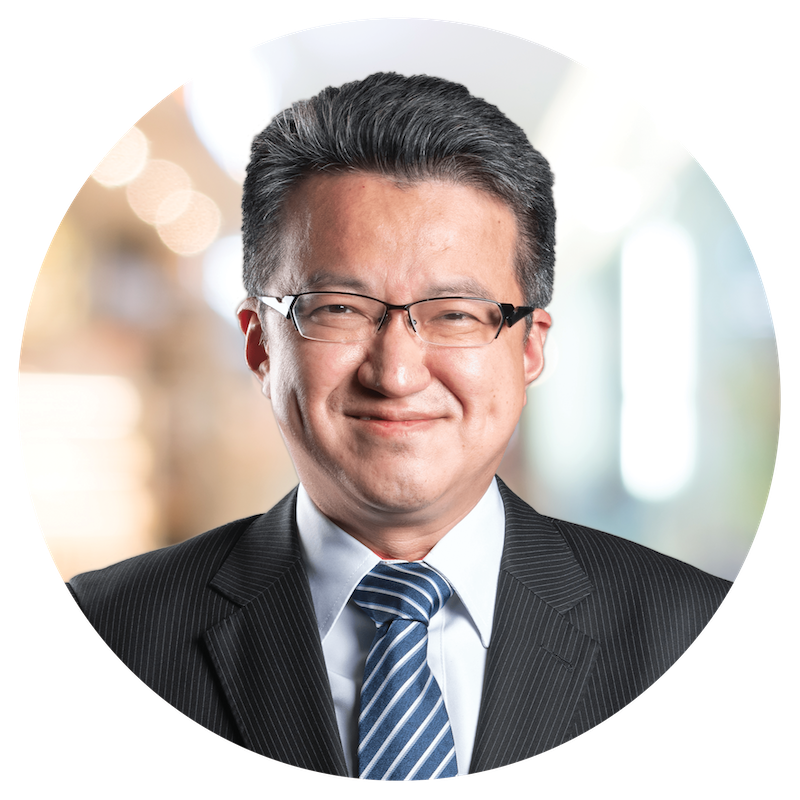
    YB Liew Chin Tong


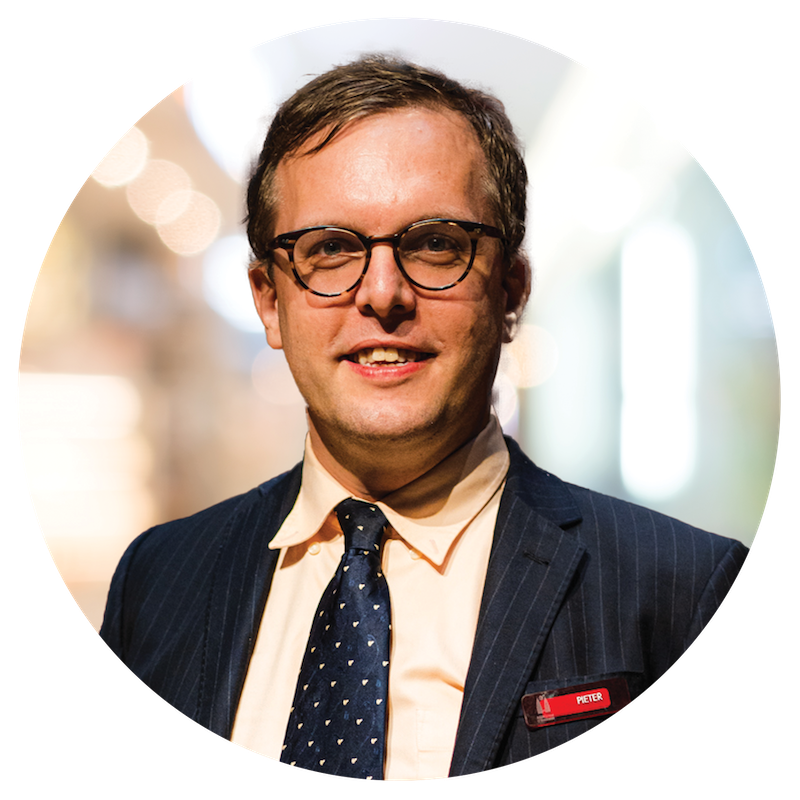
    Dr Pieter E Stek

    The 13th Malaysia Plan officially recognises the care economy as an engine for economic growth. This represents a shift in social policy, moving care from a household responsibility to a national priority and a key component of Malaysia’s future prosperity.

    As Malaysia responds to an ageing population, 13MP acknowledges the urgent need for long-term, professional care services and a skilled workforce to deliver them. The plan recognises that this new industry requires professional training and certification, with TVET (technical and vocational education and training) playing a crucial role in preparing a new generation of care professionals.

    13MP champions the move towards home and community-based care, recognising that many older persons prefer to age in place, in familiar surroundings close to family and community. This approach honours individual preferences and creates a more sustainable and accessible care ecosystem. The plan’s vision creates space for diverse stakeholders to contribute to building Malaysia’s care infrastructure.

    This new publication offers a vital roadmap for realising this vision through inclusive, community-centred approaches. Examining the specific needs of older persons, children, and persons with disabilities, it explores how Malaysia can build a care economy that serves all. The publication emphasises professionalisation pathways for social care workers, inter-sectoral collaboration, and the development of quality standards that ensure dignity and compassion in care delivery. By addressing critical questions around workforce development and effective governance, this guide charts a course toward making 13MP’s vision of dignified care a reality for everyone.

    Panel Discussion

    Moderator
    Ms Tan Heang-Lee
    Fellow
    ISIS Malaysia

    Prof Datuk Dr Denison Jayasooria
    Chair
    Society for the Promotion of the Sustainable Development Goals

    Pn Norhaslinda binti Mohd Sibi
    Director
    Malaysian Social Institute
    Ministry of Women, Family and Community Development

    En Mohd Fathullah bin Mustafa
    Chief Executive
    Skills Development Fund Corporation
    Ministry of Human Resources

    Dr Teo Sue Ann
    Director
    Parliamentary Policy Research and Advocacy
    All-Party Parliamentary Group Malaysia SDG Secretariat

    Dr Teoh Ai Hua
    President
    Malaysian Association of Social Workers

    Date9 December 2025
    Time0900-1215
    VenueAuditorium, ISIS Malaysia


    - Advertisement -