


Malaysia and South Korea helmed significant regional institutions in 2025. Chairing ASEAN, Malaysia’s stewardship saw the adoption of the ASEAN Community Vision 2045, a document that aims to strengthen the bloc’s industrial competitiveness by boosting infrastructure development, connectivity, talent and innovation. Yet, goals would be impacted by megatrends from the maintenance of peace, security and stability in the Indo-Pacific region, including the South China Sea, to major power rivalries and digitalisation with its disruptions to the future of work.
Meanwhile, South Korea chaired APEC, a regional economic forum focused on sustainable economic growth, open trade and prosperity in a year of tariffs and trade wars. Led by the newly minted 14th president, Lee Jae-Myung, South Korea’s APEC leadership is further clouded by US-South Korea, South Korea-Japan and US-China dynamics. The APEC Summit demonstrated the thawing of relations between Seoul and Beijing, interest for further AI governance and attempts to stabilise trade conditions. While chairing vital regional organisations have opened opportunities for dialogue, geopolitics and geoeconomics have shaped potential outcomes.
This half-day programme seeks to discuss Malaysia-ROK relations in a region affected by dynamic trade policies, quid pro quo deals, hedging pressures and limited pragmatic choices. Additionally, the programme seeks to explore Malaysia and South Korea’s attempts to balance geostrategic challenges with stronger alliances.
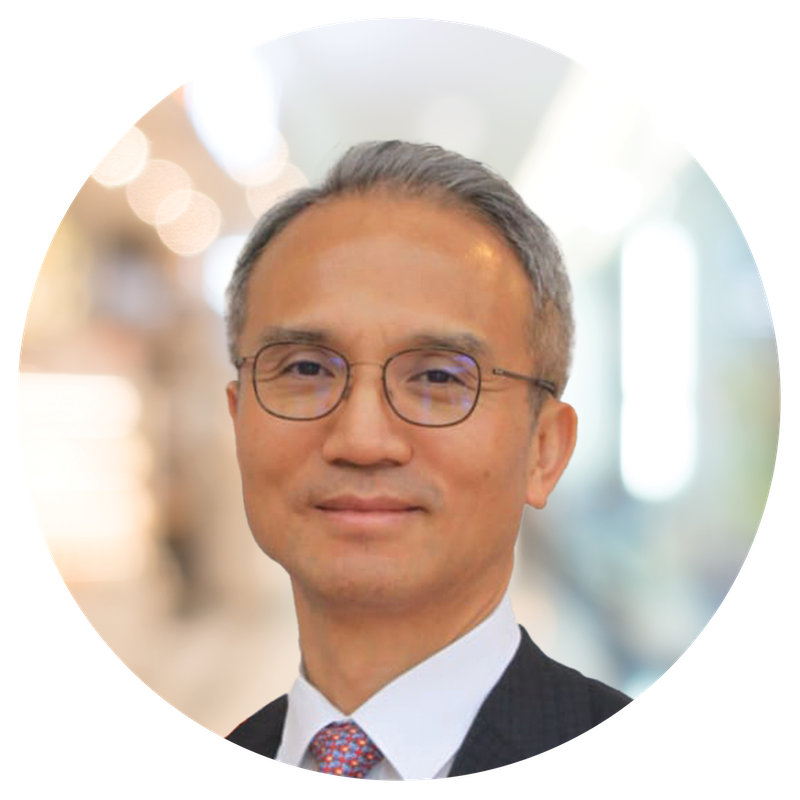
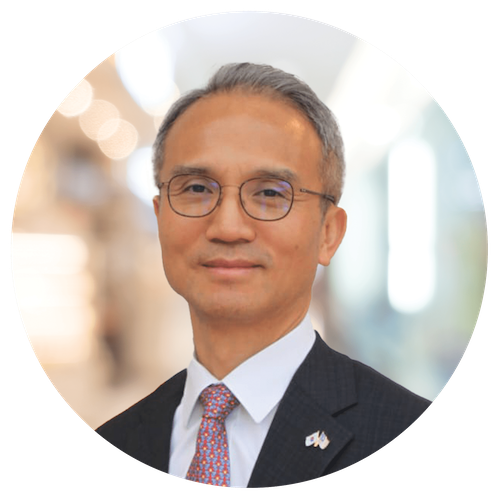
HE Yeo Seung-bae

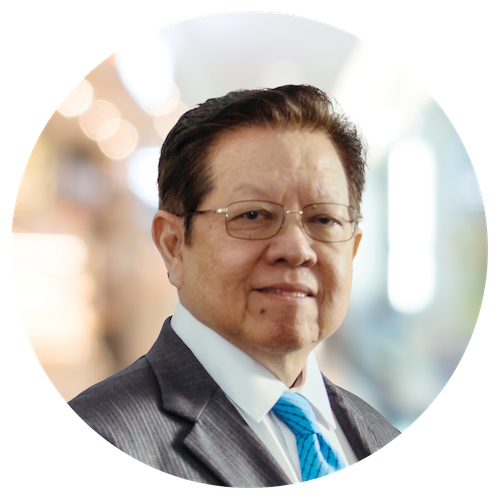
Datuk Prof Dr Mohd Faiz Abdullah
The 47th ASEAN Summit and related summits concluded in early November. With Kuala Lumpur becoming the focus of dignitaries and significant world leaders, the outcome ranged from welcoming Timor-Leste as the 11th member of ASEAN to an upgrade in the ASEAN Trade in Goods Agreement, advancement in infrastructure cooperation, such as power grids, the establishment of the AI Safe Network and specificities in community strategic plans that realise the ASEAN Community Vision 2045. The ASEAN-ROK statement outlined potential harmonisation and capacity building in areas like crime scene investigation, digital trade, high performance computing and energy transition.
- How did South Korea view Malaysia’s ASEAN chairmanship year?
- What is the outlook for the ASEAN-Korea Comprehensive Strategic Partnership and what are the challenges to realising programmes?
- What are expectations for ASEAN in 2026?
Moderator

Dr Nurliana Kamaruddin
Speakers

Thomas Daniel
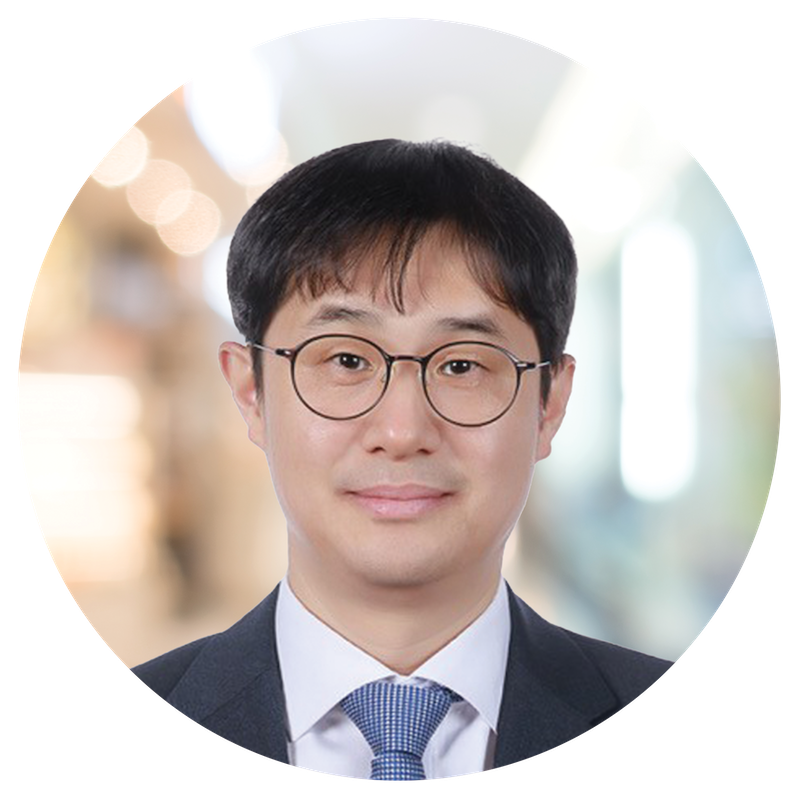
Dr Lee Jaehyon

Siti Farhana Sheikh Yahya



Malaysia and South Korea both confronted international uncertainties in 2025. From trade and geopolitical challenges to major power rivalry, new administrations and US policies have impacted on economic security and repositioned security partnerships. Meanwhile, middle powers have formed partnerships and alliances to bolster strategic autonomy, stabilise a rules-based environment and navigate geopolitical shocks.
- How have new administrations in Japan and the US impacted on South Korea and Malaysia? Did recent events in ASEAN and APEC influence regional politics and dynamics?
- As Malaysia and South Korea conclude negotiations for a free trade agreement, could regional or bilateral trade agreements strengthen their capabilities to navigate regional flux?
- Could Malaysia and South Korea build stronger relations through existing policies, such as South Korea’s Indo-Pacific Strategy, Korea ASEAN Solidarity Initiative, ASEAN-South Korea Comprehensive Strategic Partnership, Look East Policy 2.0 and defence partnerships?
- Does 2026 present a stable outlook compared with 2025?
Moderator
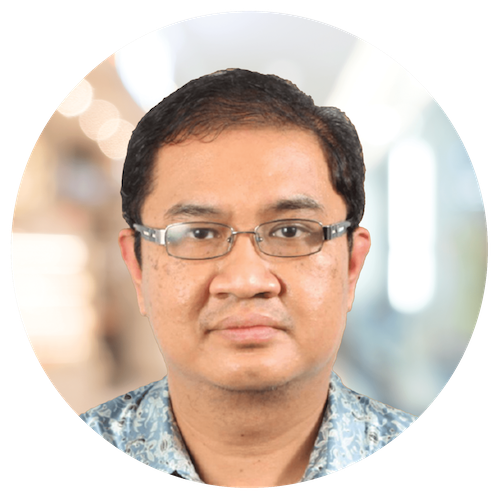
Assoc Prof Dr Roy Anthony Rogers
Speakers

Marweena Manan

Dr Jung Hojai

Dr Geetha Govindasamy
The Malaysia Scholars on Korea (MASK) Network
The Malaysia Scholars on Korea (MASK) Network links Malaysian scholars, policymakers and think-tankers in conversations on Malaysia-South Korea relations. Through the years, MASK events have explored the intricacies of a Malaysia-South Korea Comprehensive Strategic Partnership, a special meeting following president Moon Jae-in’s visit to Malaysia, possibilities for Asean engagement in the Korean Peninsula and South Korea’s Indo-Pacific Strategy in Southeast Asia.
Organisers

| Date | 11 December 2025 |
| Time | 0900-1245 |
| Venue | Crowne Plaza Kuala Lumpur City Centre |